I’m a little behind on posting our Classic Cinema With the Sage Sisters posts. I’ve been working on my memoir, Everything I Need to Know About Being Human I Learned From Movies.
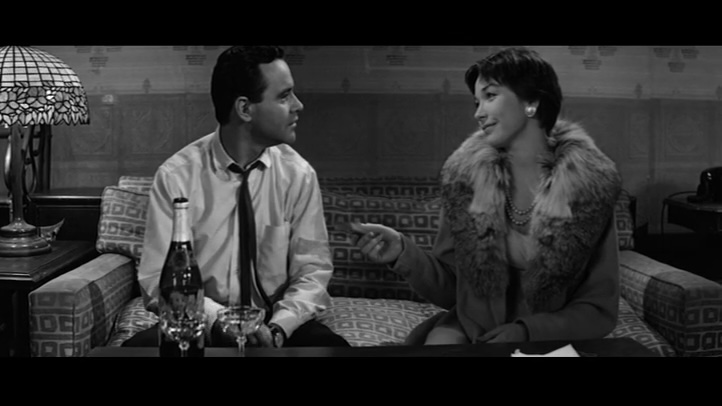
The Apartment is an iconic movie about the changing mores in the U.S. that started in the 60s. It’s also about corporate hierarchy and the things that people do to get ahead. If you want to see a movie with examples of toxic masculinity, this movie is a perfect example. Jack Lemmon and Shirley MacLaine are fantastic, but Fred MacMurray gives a chilling performance.
Diane is a second-time guest on Story-Power. Her first appearance was on December 6, 2023. Since then she’s been busy creating new stories one of them is a mystery/thriller, a genre she’s never written before. I hope you enjoy our conversation.
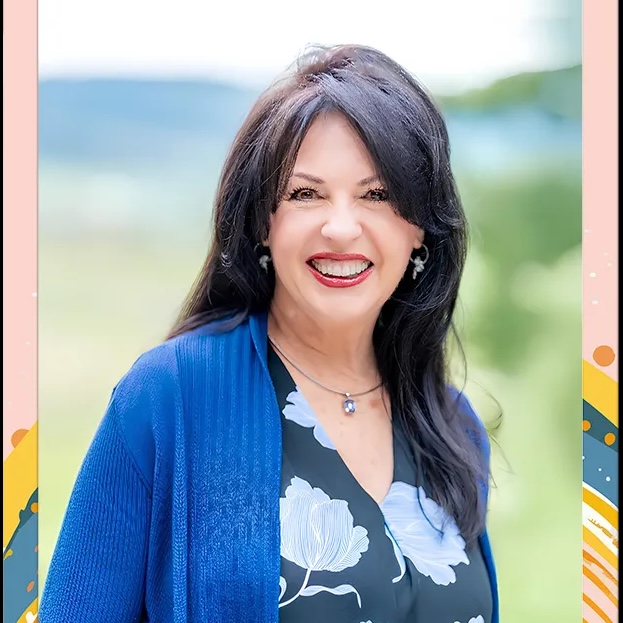
Diane Merrill Wigginton, born in Riverside, California in 1963, grew up in the vibrant community of Mira Mesa, San Diego. From a young age, Diane developed a deep passion for storytelling, inspired by the adventures of her childhood in the 1970s and early 1980s. Spending summers on her grandparents’ ranch in Idaho, Diane learned the value of animals, nature, and storytelling that would shape her future writing career. After marrying her husband, David, in 1998, Diane and her family lived in Encinitas before moving to Herald, California in 2001. They embraced a rural lifestyle on a 5 ½-acre ranch, raising six children. Diane’s love for writing never waned, but raising a family and working full-time kept her literary ambitions on hold. However, in her 50s, Diane decided to pursue her dream of becoming a published author. It was then that she created Angelina’s Secret, the first book in her critically acclaimed Jeweled Dagger Series.
Since then, Diane has published five novels, including her first children’s book, The Secret of One-Eyed Cogburn, The Dreaded Pirate Captain. Diane’s work spans multiple genres, from historical romance and suspense to children’s fiction, and she has earned a prestigious collection of awards that reflect her remarkable storytelling ability. She has won accolades such as the Benjamin Franklin Digital Award, Reader’s Favorite 1st Place Historical Fiction Award, and numerous awards for A Compromising Position. In 2017, after retiring from her “9 to 5” job, Diane and her husband moved to Kalispell, Montana, where they now enjoy a life filled with adventure, hiking, and exploration in the stunning wilderness around Glacier National Park. Diane continues to write full-time, bringing to life the rich characters and intricate stories that captivate her readers. Diane’s creative spirit is fueled by her deep appreciation for family and her love for storytelling. Now a proud grandmother to eleven grandchildren, Diane is living her dream and continues to inspire readers with her heartfelt and adventurous tales.
I’m so passionate about stories that I created the Story-Power Patreon Community so I’d have an excuse to talk story with other story lovers. Patreon is $5 a month for content not found on the Story-Power podcast, or on my Sage Woman Blog. They have recently instituted a free tier so you can try it out before you buy. If you’re passionate about stories, and want to talk about what you’ve learned from your favorites, come join me at patreon.com/StoryPower. Let’s share what we’ve learned from the stories we love.
PodMatch Affiliate Link.
This episode is brought to you by PodMatch, the dating service for podcasters. They introduced me to Diane Merrill Wiggington in 2023, and I’m so glad they did. I hope you’ve enjoyed our second conversation and remember that if you have a podcast or something to share with the world, check out PodMatch at my affiliate link at PodMatch and tell them Lucinda sent you.
Want to be a guest on Story-Power? Send Lucinda Sage-Midgorden a message on PodMatch, click here:
Prolific Writers Life
My husband, Barry and I are members and experts at Prolific Writers Life, which offers members a variety of free online work sessions and discounts on coaching with industry experts. They offer opportunities to hone your writing skills, develop your author brand, and connect with a supportive community in live events. You can participate in group chats or send private messages to members through Prolific Writers Chat. If you’ve got a writing project, or are an expert who can help members finish their books, come join the community.
They also offer fun events like Films for Writers, which is free for anyone who wants to attend. It’s like a film club. We watch the movies about writers often with tidbits about their writing life, and then come together on the last Friday evening of every month to discuss the movie. You can check out Prolific Writers Life with a free 14 day trial to see if this the community you have been looking for.
Classic Cinema With the Sage Sisters
Stories are a huge part of the way humans communicate with each other. Celeste and I think all stories are allegories where we can learn all kinds of important things, not the least of which is how to understand ourselves and others better. The best stories can be told over and over from one generation to the next and still teach great lessons. Emotional Intelligence and critical thinking are two of those lessons. Celeste and I think there are many classic movies that show us the progression of where humanity is today and we want to share them with you.
Shakespeare was right, “All the world is a stage and all the men and women merely players.” The stories we tell and consume are us trying to figure out who we are, why we’re here, and the kind of world we want to live in.
Meet Bob Martin, a guest with a story that is as extraordinary as entertaining and fun. From a high-powered mob lawyer during Miami’s wild Cocaine Cowboy days to a Certified Meditation teacher with an MSW to go with his JD, he has helped hundreds redesign their thinking for the life they dream of. Bob’s journey is anything but ordinary.
Now a two-time published author and Professor of Wellness at Elon University, Bob blends Taoist wisdom, brain science, psychology, and humor to tackle everything from breaking free of limiting beliefs to finding clarity and resilience in life’s chaos.
With a knack for making big ideas relatable and plenty of stories to keep listeners hooked, Bob’s the kind of guest who inspires, challenges, and keeps the conversation lively. Want to hear more? Check out his over 50 five-star reviews.
Bob’s current books, I am the Way, Children of Abraham
Pratt Institute
I Ching, a Taoist practice
Tao of Pooh,Te of Piglet, Benjamin Hoff
Tao Te Ching, Lao Tzu
PodMatch, a dating service for Podcasters
A Course in Miracles, Helen Schucman PhD
The Road Less Traveled, M. Scott Peck
Bob’s blog, The Wise and Happy Life, on Substack
Affiliate link below.
PodMatch a Dating Service for Podcasters
This episode is brought to you by PodMatch, the dating service for podcasters. They introduced me to Bob Martin, and I’m so glad they did. I hope you’ve enjoyed our conversation and remember that if you have a podcast or something to share with the world, check out PodMatch at my affiliate link at PodMatch and tell them Lucinda sent you.
Want to be a guest on Story-Power? Send Lucinda Sage-Midgorden a message on PodMatch, click here:
Story-Power on Patreon
I’m so passionate about stories that I created the Story-Power Patreon Community so I’d have an excuse to talk story with other story lovers. Patreon is $5 a month for content not found on the Story-Power podcast, or on my Sage Woman Blog. They have recently instituted a free tier so you can try it out before you buy. If you’re passionate about stories, and want to talk about what you’ve learned from your favorites, come join me at patreon.com/StoryPower. Let’s share what we’ve learned from the stories we love.
Prolific Writers Life
My husband, Barry and I are members and experts at Prolific Writers Life, which offers members a variety of free online work sessions and discounts on coaching with industry experts. They offer opportunities to hone your writing skills, develop your author brand, and connect with a supportive community in live events. You can participate in group chats or send private messages to members through Prolific Writers Chat. If you’ve got a writing project, or are an expert who can help members finish their books, come join the community.
They also offer fun events like Films for Writers, which is free for anyone who wants to attend. It’s like a film club. We watch the movies about writers often with tidbits about their writing life, and then come together on the last Friday evening of every month to discuss the movie. You can check out Prolific Writers Life with a free 14 day trial to see if this the community you have been looking for.
Classic Cinema With the Sage Sisters
Stories are a huge part of the way humans communicate with each other. Celeste and I think all stories are allegories where we can learn all kinds of important things, not the least of which is how to understand ourselves and others better. The best stories can be told over and over from one generation to the next and still teach great lessons. Emotional Intelligence and critical thinking are two of those lessons. Celeste and I think there are many classic movies that show us the progression of where humanity is today and we want to share them with you.
Shakespeare was right, “All the world is a stage and all the men and women merely players.” The stories we tell and consume are us trying to figure out who we are, why we’re here, and the kind of world we want to live in.
Joseph Bolton is a gifted storyteller and an intrepid explorer of the human experience. With a passion for uncovering the untold narratives that shape our world, Joseph brings a unique blend of insight, empathy, and wit to every conversation. As the author behind the widely acclaimed website OldGrandmothersTree.com, Joseph has garnered a loyal following of readers who are drawn to his ability to breathe life into the stories of everyday people, transforming them into captivating tales that resonate on a profound level.
Joseph’s journey into the world of storytelling began with his commitment to sharing the experiences and wisdom of those often overlooked. His work has been celebrated for its depth and authenticity, earning him a reputation as a writer who not only informs but also inspires. Joseph’s keen eye for detail and his unwavering commitment to uncovering the truth have made him a respected voice in the literary community.
What sets Joseph apart as a podcast guest is his unparalleled ability to connect with audiences. His warm and engaging demeanor, coupled with his knack for finding the extraordinary in the ordinary, makes every conversation with him an enlightening experience. Joseph has a talent for weaving together personal anecdotes, historical context, and cultural insights, creating a rich tapestry of dialogue that captivates listeners from all walks of life.
Whether discussing the latest trends in storytelling, sharing behind-the-scenes glimpses into his creative process, or delving into the fascinating stories he has uncovered, Joseph’s presence on a podcast promises to be both thought-provoking and entertaining. His versatility as a speaker allows him to seamlessly navigate a wide range of topics, from the intricacies of human relationships to the broader social issues that impact our world.
Beyond his professional achievements, Joseph is also deeply committed to fostering a sense of community and connection through his work. He believes in the power of stories to bridge divides and bring people together, and this ethos is evident in everything he does. As a podcast guest, Joseph brings a refreshing perspective and a genuine passion for storytelling, making him an invaluable addition to any podcast looking to engage and inspire its audience.
This episode is brought to you by PodMatch, the dating service for podcasters. They introduced me to Joseph Bolton, and I’m so glad they did. I hope you’ve enjoyed our conversation and remember that if you have a podcast or something to share with the world, check out PodMatch at my affiliate link at PodMatch and tell them Lucinda sent you.
Want to be a guest on Story-Power? Send Lucinda Sage-Midgorden a message on PodMatch, click here:
Prolific Writers Life
My husband, Barry and I are members and experts at Prolific Writers Life, which offers members a variety of free online work sessions and discounts on coaching with industry experts. They offer opportunities to hone your writing skills, develop your author brand, and connect with a supportive community in live events. You can participate in group chats or send private messages to members through Prolific Writers Chat. If you’ve got a writing project, or are an expert who can help members finish their books, come join the community.
They also offer fun events like Films for Writers, which is free for anyone who wants to attend. It’s like a film club. We watch the movies about writers often with tidbits about their writing life, and then come together on the last Friday evening of every month to discuss the movie. You can check out Prolific Writers Life with a free 14 day trial to see if this the community you have been looking for.
Story-Power on Patreon
I’m so passionate about stories that I created the Story-Power Patreon Community so I’d have an excuse to talk story with other story lovers. Patreon is $5 a month for content not found on the Story-Power podcast, or on my Sage Woman Blog. They have recently instituted a free tier so you can try it out before you buy. If you’re passionate about stories, and want to talk about what you’ve learned from your favorites, come join me at patreon.com/StoryPower. Let’s share what we’ve learned from the stories we love.
Classic Cinema With the Sage Sisters
Stories are a huge part of the way humans communicate with each other. Celeste and I think all stories are allegories where we can learn all kinds of important things, not the least of which is how to understand ourselves and others better. The best stories can be told over and over from one generation to the next and still teach great lessons. Emotional Intelligence and critical thinking are two of those lessons. Celeste and I think there are many classic movies that show us the progression of where humanity is today and we want to share them with you.
Shakespeare was right, “All the world is a stage and all the men and women merely players.” The stories we tell and consume are us trying to figure out who we are, why we’re here, and the kind of world we want to live in.
An amnesiac World War I veteran falls in love with a music-hall star after escaping from a mental hospital in the English Midlands, then suffers an accident which restores his original memories but erases his post-war life.
This romantic drama, released in 1942 was the favorite of their films of both Ronald Colman and Greer Garson. Gene Wilder revealed in an interview on Turner Classic Movies that this was his favorite film and that he also thought it was the best romantic film of all time. Sydney Pollack loved it so much that he wanted to do a remake, but decided against it since it was such a perfect film.
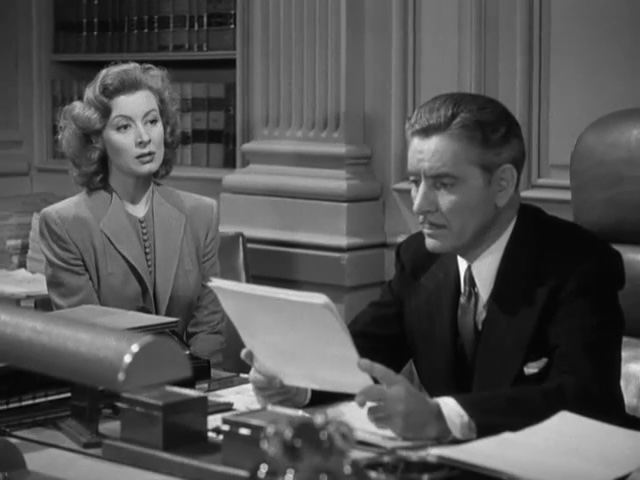
While the opening credits are rolling, the song that accompanies them is “O Perfect Love” often sung at weddings of the time period in which the movie takes place. The words express perfectly the theme of the movie. Part of the lyrics are, “… that theirs may be the love which knows no ending …” Paula/Margaret’s character, played by Greer Garson, has that kind of love for Smithy/Charles. In the photo above, Margaret has spent years searching for Smithy, as she knew him, to no avail until one day she sees his picture in the newspaper as “The Industrial King of England.” Hoping to jar him memory of their years together, she applies for and is hired as his private secretary. However, it takes a few years for him to finally put all the small little snippets of memory together to finally regain those years with her. Her enduring love and his struggle to regain those missing years is what makes the ending so satisfying.
If you haven’t seen this movie, it’s one that may restore you faith in humanity. There are no villains, no violence, only internal struggles similar to the ones we sometimes have. Who are we? Why are we here? How can we help others while continuing to improve our relationships and grow into even better people? 1942 was a very good year for great movies. This one is worth watching more than once.
Let me know what you think of the movie in the comments below.
Stories are a huge part of the way humans communicate with each other. Celeste and I think all stories are allegories where we can learn all kinds of important things, not the least of which is how to understand ourselves and others better. The best stories can be told over and over from one generation to the next and still teach great lessons. Emotional Intelligence and critical thinking are two of those lessons. Celeste and I think there are many classic movies that show us the progression of where humanity is today and we want to share them with you.
Shakespeare was right, “All the world is a stage and all the men and women merely players.” The stories we tell and consume are us trying to figure out who we are, why we’re here, and the kind of world we want to live in.



 Sage Woman Chronicles